

Unfortunately I didn’t get to try this. There are no use by dates so I didn’t want chance rice. Maybe a use by date could be added

wellness
Vitamin D – Why it’s so important to your health
05 January, 2026
A little sunshine goes a long way. Discover why Vitamin D is essential for mood, immunity and metabolic health, and how to naturally support your levels through sun, food and lifestyle.
Have you ever noticed how a few minutes in warm sunshine can completely lift your mood? That gentle lift isn’t just in your head – Vitamin D has something to do with it. This nutrient plays a big role in how we feel and function, but the surprising part is around 1 in 4 Australians are still considered Vitamin D deficient.
When we’re talking about optimal Vitamin D levels (the kind that support everything from mood to metabolism), the numbers may be even higher. So let’s dig into what Vitamin D actually does, why so many of us aren’t getting enough and understand the simple, everyday ways to support your levels naturally.
Here’s what affects our ability to make it:
- Time of day – UVB rays vary throughout the day.
- Season + latitude – Winter sun and southern regions mean less UVB exposure.
- Skin type – Different skin tones absorb sunlight differently.
- Lifestyle – Indoor work, sunscreen, clothing and shade all reduce exposure.
- Internal conversion – Vitamin D doesn’t stay “Vitamin D” for long. Your liver and kidneys work together to convert it into its active form (Vitamin D3) and this process depends on nutrients like magnesium and calcium.
So yes... it’s a bit more complex than a walk outside.
What makes Vitamin D so special?
Vitamin D may be best known as the “sunshine Vitamin”, but its influence reaches far beyond a healthy glow. Once produced in the body, it acts more like a hormone, quietly supporting a wide range of essential processes. It plays a key role in keeping bones and teeth strong by regulating calcium levels, while also supporting balanced mood and emotional wellbeing. Vitamin D helps the body manage blood sugar more effectively, supports healthy insulin sensitivity, and plays an important role in calming inflammation and regulating immune function. It’s also involved in fertility for both men and women, as well as neuromuscular health, helping muscles contract smoothly and supporting coordination and strength.
What low Vitamin D can look like
Because Vitamin D is involved in so many systems, low levels don’t always show up in obvious ways. Deficiency can subtly affect the body over time, contributing to bone and skeletal issues such as osteoporosis, changes in mood, nervous system function and memory, and an increased risk of autoimmune conditions.
Research has also linked low Vitamin D to metabolic and cardiovascular concerns, certain inflammatory gut conditions, and skin issues like atopic dermatitis. In more complex cases, inadequate levels have been associated with fertility challenges and a higher risk of some cancers. This wide-reaching impact is why testing is so important—many people don’t realise their levels are low until symptoms become harder to ignore.

Why this matters
Balancing safe sun exposure with Vitamin D needs is key. With mindful timing, even a short daily dose can help keep your levels optimal supporting mood, immunity, metabolism and overall health.
Vitamin D rich foods
Because Vitamin D is fat-soluble, it naturally hangs out in foods with healthy fats. Some of the best sources include:
- Oily fish: salmon, sardines, mackerel, tuna (wild-caught is ideal)
- Egg yolks
- Raw dairy: milk, cheese
- Cod liver oil
- Sun-exposed mushrooms
Note – Food is a wonderful supplement to sunshine, but for many people it’s still tricky to reach optimal levels, especially in winter or if you’re mostly indoors.
Testing + supplementation
Getting your Vitamin D checked is one of the simplest and most valuable blood tests you can do for understanding your overall health. It’s especially useful as we move out of winter, when many of us see our levels dip. In fact, in Australia, around 31% of adults have Vitamin D levels considered low, and almost three-quarters don’t reach optimal levels.
Age also plays a role–older skin naturally produces less Vitamin D, so it’s something to be mindful of as we get older.
According to Australian health guidelines, a Vitamin D level of 50 nmol/L or higher is considered adequate for bone and general health, though many experts suggest that slightly higher levels may support extra benefits like mood, immunity and muscle function.
If your levels are on the lower side, a high quality Vitamin D supplement can help, but it’s always best to chat with a healthcare practitioner. They can guide you on the right dose, how often to take it and when to re-test, taking into account your lifestyle, age and the time of year.
Related articles

wellness
Tips to Spring clean your diet
Spring is the season of fresh starts, and your ...
CONTINUE READING

wellness
Your Spring ritual reset & market guide
This spring, refresh your rituals with these si...
CONTINUE READING

wellness
Why Fibre matters: The key to digestive health and how to get more
Fibre is the unsung hero of gut health, fueling...
CONTINUE READING

wellness
6 steps to build stronger immunity this winter
Around 70% of your immune system lives in your ...
CONTINUE READING
wellness
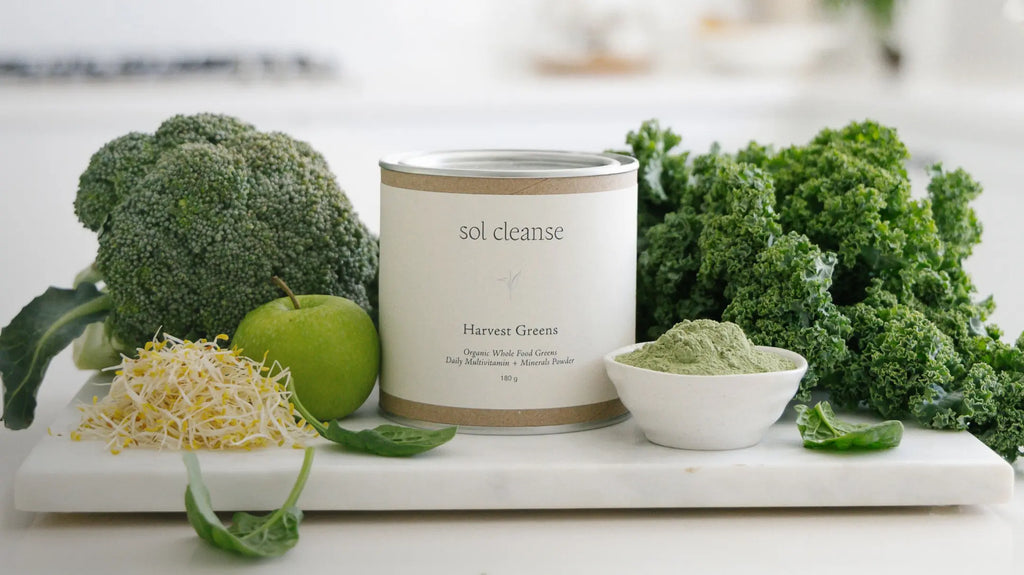
What's really in your greens powder?
We built Harvest Greens on one simple rule – if...
CONTINUE READING
wellness
Is greens powder actually good for you?
Our in-house clinical nutritionist breaks down ...
CONTINUE READING

wellness
3 signs your gut needs support
When your gut is off, your whole body feels it....
CONTINUE READING
wellness
The protein powder truth no one talks about
We uncover the protein powder truths most brand...
CONTINUE READING

wellness
The realistic guide to feeling good this summer
A practical, grounded, and nourishing approach ...
CONTINUE READING
wellness
Matcha vs Hojicha: What’s the difference?
Not sure whether to choose matcha or hojicha? T...
CONTINUE READING

wellness
Why Organic matters: Nourishment you can trust
Choosing organic isn’t just a food choice—it’s ...
CONTINUE READING

wellness
You’re taking Iron—but is it working?
Think you're getting enough iron? Without the r...
CONTINUE READING

wellness
5 Symptoms of Leaky Gut & How to Heal it
Struggling with bloating, fatigue or breakouts?...
CONTINUE READING
wellness
Why caffeine might be draining you—and what to do instead
Still feeling tired after your morning coffee? ...
CONTINUE READING

wellness
What is regenerative meat and why it’s important
Not all meat is created equal. Discover how reg...
CONTINUE READING

wellness
Rethinking meat: What a Nutritionist wants you to know
Sol Cleanse Nutritionist Erin Hall shares how a...
CONTINUE READING
wellness
Behind our food philosophy: Why we’ve introduced organic meat meals
Our bold step towards regenerative meat. Here’s...
CONTINUE READING
wellness
This herbal tea is our Winter wellness secret
A warm cup of tea might be the most comforting ...
CONTINUE READING
wellness
Why Vitamin C is your skin’s best friend
Healthy, glowing skin starts on the inside. Dis...
CONTINUE READING
wellness
Why we’re ditching Vitamin C tablets for Camu Camu
Never heard of Camu Camu? You’re not alone—but ...
CONTINUE READING

wellness
Why gut health matters more after 40
Tired, bloated, or struggling to shift weight a...
CONTINUE READING

wellness
Exploring the intricate link between female hormones and gut health
Did you know your gut and hormones are constant...
CONTINUE READING
wellness
Probiotics Vs Prebiotics
Probiotics vs. Prebiotics—do you really need bo...
CONTINUE READING

wellness
The better way to take probiotics
Give your gut the love it deserves—reduce bloat...
CONTINUE READING
wellness
Our Gut Healing Philosophy
Your gut is the foundation of your health—when ...
CONTINUE READING
wellness
What to eat (and avoid) for a healthy microbiome
Your gut is the gateway to vibrant health - imp...
CONTINUE READING

wellness
The journey to embodiment and self-love
Self-love can feel out of reach when life gets ...
CONTINUE READING
wellness
Introducing Sol Cleanse Supplements: A journey to holistic wellness
Discover the transformative power of Sol Cleans...
CONTINUE READING

wellness
10 Signs of an Unhealthy Gut
Is your gut trying to tell you something? From ...
CONTINUE READING
wellness
Supplements that complement your cleanse (and so much more)
Whether you’re cleansing, curious, or simply co...
CONTINUE READING
wellness
Custom Meal Delivery Has Arrived
Introducing our new Custom Meal Pack - a ready...
CONTINUE READING
wellness
5 ways Matcha transforms energy, focus, and health
Discover the natural energy, focus, and detoxif...
CONTINUE READING
wellness
Delicious ways to stay hydrated
Staying hydrated during Australia’s warmer mont...
CONTINUE READING

wellness
7 days of Spring: Mini Wellness Challenge
It’s time to nurture your best self. Join in on...
CONTINUE READING
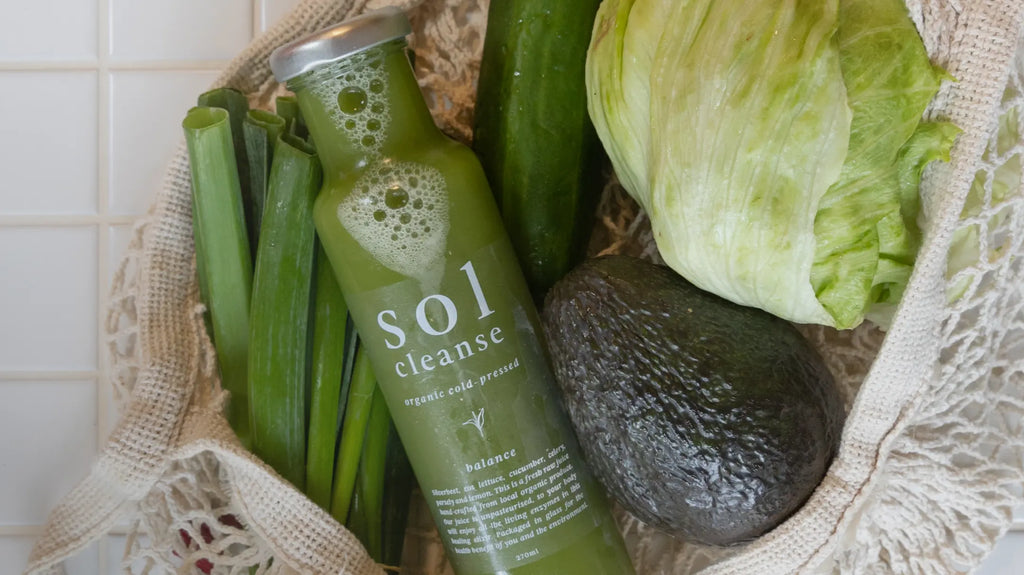
wellness
Hacks To Add More Greens To Your Diet
Struggling to get your greens in? Discover simp...
CONTINUE READING
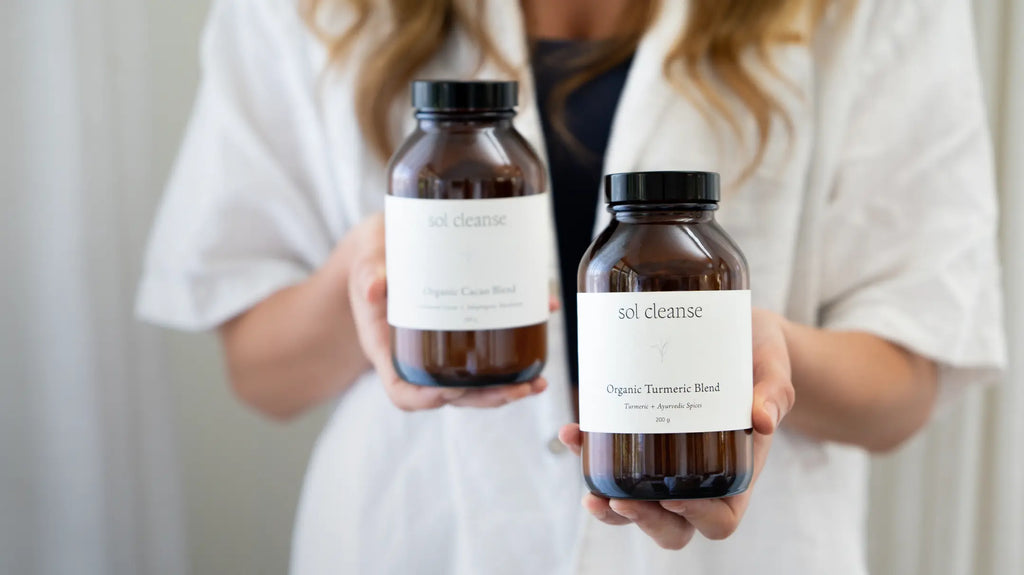
wellness
Transform Your Rituals with Our Organic Blends
Nourish your body, soothe your soul, and enjoy ...
CONTINUE READING

wellness
5 ways to curb your coffee cravings
Discover simple, sustainable tips to curb coffe...
CONTINUE READING

wellness
Sol Cleanse expands to Bendigo & Ballarat
Bendigo and Ballarat, the wait is over - Sol Cl...
CONTINUE READING

wellness
Spring clean your beauty routine with One Fine Secret
Spring is a time for renewal, making it the ide...
CONTINUE READING

wellness
Unlock the power of plant protein
Plant powered protein can be a great way to boo...
CONTINUE READING

wellness
Protein, hormones & overall wellness: A Naturopath’s perspective
We sat down with Naturopath Chae from The Welln...
CONTINUE READING

wellness
Are you getting enough protein?
Feeling drained, irritable, and struggling to s...
CONTINUE READING

wellness
Cleansing for glowing skin with East Spaces
We speak with the team from East Spaces Toowoom...
CONTINUE READING
wellness
Time for a Winter mid-year recharge
Rediscover your balance and vitality with exper...
CONTINUE READING
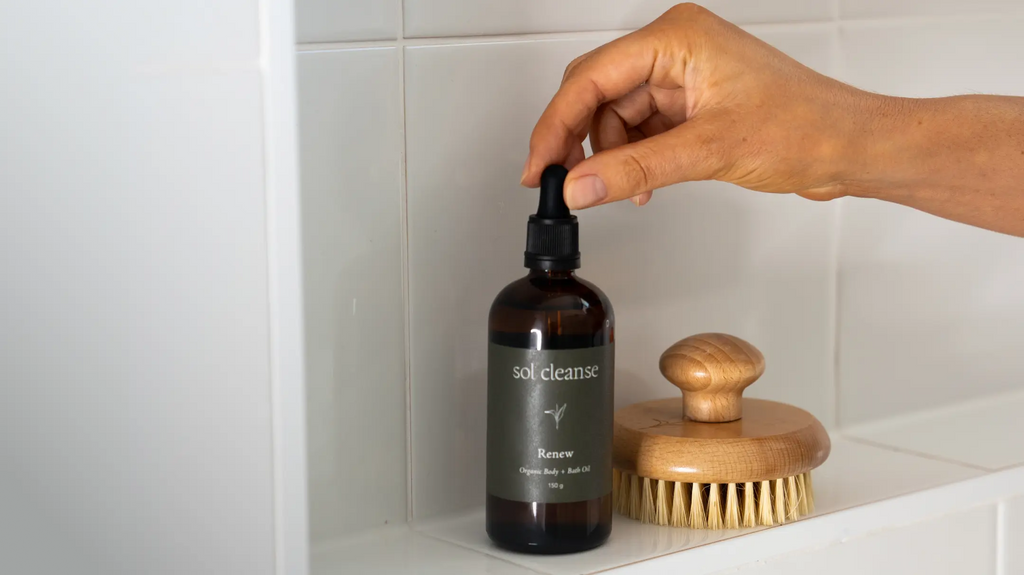
wellness
Renew Organic Body + Bath Oil: Why you’ll love it
Meet the nourishing ingredients behind our Rene...
CONTINUE READING

wellness
8 simple things you can do right now for your immune system
With Winter in full swing now is the time to fo...
CONTINUE READING
wellness
Why eating 30 plants a week matters and how to get started
In the realm of gut health, diversity is key. D...
CONTINUE READING

wellness
Preventing burnout: Strategies for a balanced life
With a focus on work / life balance, we discuss...
CONTINUE READING