If you’re using protein powder, chances are you’re looking for something clean, effective and straightforward. Whether you’re a gym enthusiast, a busy professional, or someone simply looking to support overall health–the quality of your protein can make a real difference. The problem is, not all powders are created equal and many hide ingredients that can quietly undermine your wellness goals.
Let’s talk about what to watch out for, what you should look for and why our Embody Protein line is designed with you in mind.
What’s hidden in many supermarket protein powders
Here are a few of the less talked about extras that often sneak into standard protein powders:
Artificial sweeteners & flavouring
Many powders use sucralose, aspartame or other “zero‑sugar” sweeteners to make them taste good. For example, a popular supermarket whey protein may list sucralose as its main sweetener to keep sugar content low. But research indicates that these artificial sweeteners can disrupt your gut flora and may interfere with nutrient absorption, meaning your body might not get the full benefit of the protein you’re consuming.
Thickeners, emulsifiers & fillers
Many cheaper or highly processed protein powders use ingredients like gums, maltodextrin, or the seaweed derived thickener carrageenan (E407) to improve texture, mixability, or shelf life. For example, some ready to drink protein shakes include carrageenan to keep the powder from clumping. However, research shows that even normal doses of carrageenan can increase intestinal permeability and trigger pro-inflammatory markers in overweight adults, potentially affecting gut health.
Low‑quality protein sources & “proprietary blends”
Some powders list a vague “proprietary blend” instead of clearly showing the protein sources and amounts. Others boost the protein number with free amino acids rather than high quality complete protein. For instance, a supermarket plant-based protein might show 20g of protein per serve but mostly use isolated amino acids instead of whole, sprouted proteins. We recommend choosing powders with transparent, high quality sources to ensure you’re actually getting effective, bioavailable protein.
Why this matters
When you use protein powder to support muscle recovery, overall health, or gut balance–hidden ingredients like fillers, emulsifiers and low quality protein sources can work against you. Studies show that these additives may contribute to low-grade gut inflammation, increased intestinal permeability (leaky gut) and microbiome disruption. A 2024 carrageenan trial found that participants with higher BMI experienced reduced insulin effectiveness and elevated inflammation markers, showing that even small additives can have measurable health effects.
Why our Embody Protein is a different (and better) story
We believe you should know what’s in your protein powder and feel confident that those ingredients are working for you. Here’s how our Embody Protein line stacks up:

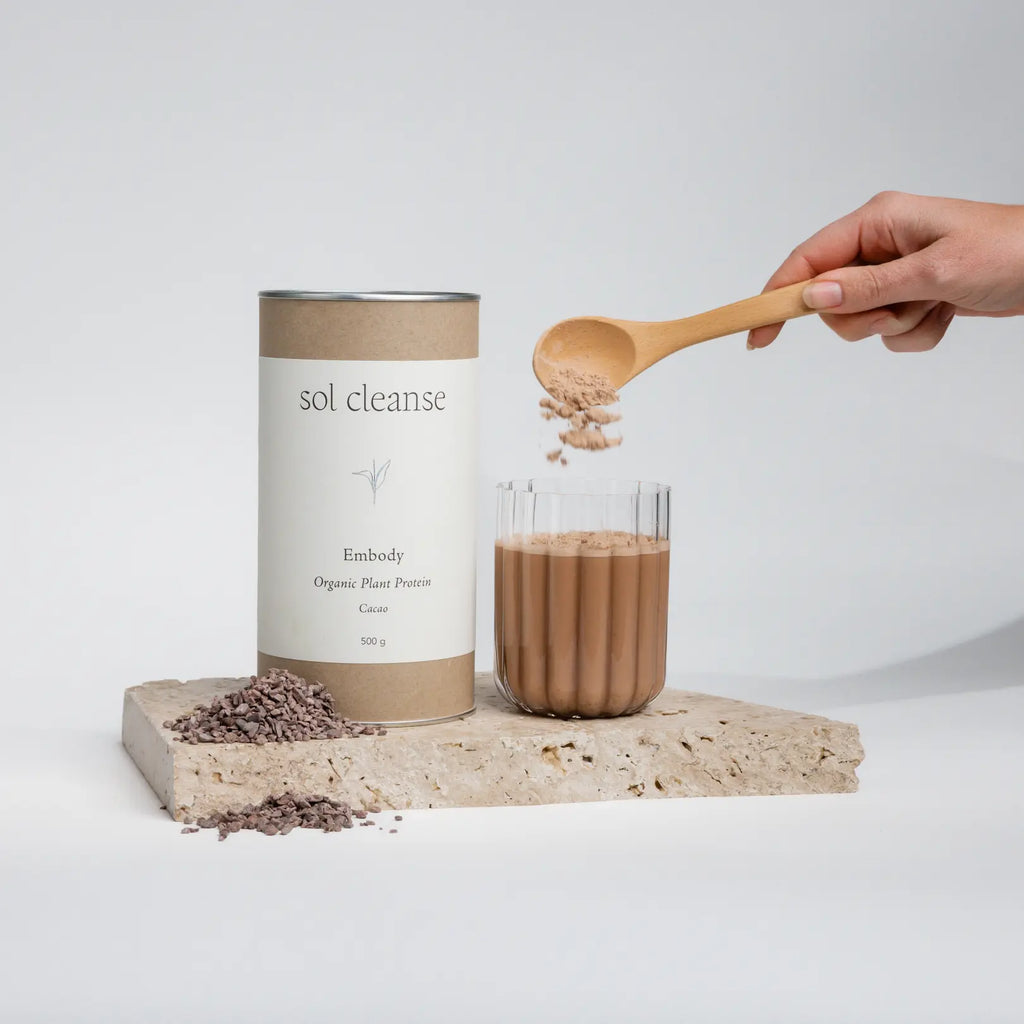
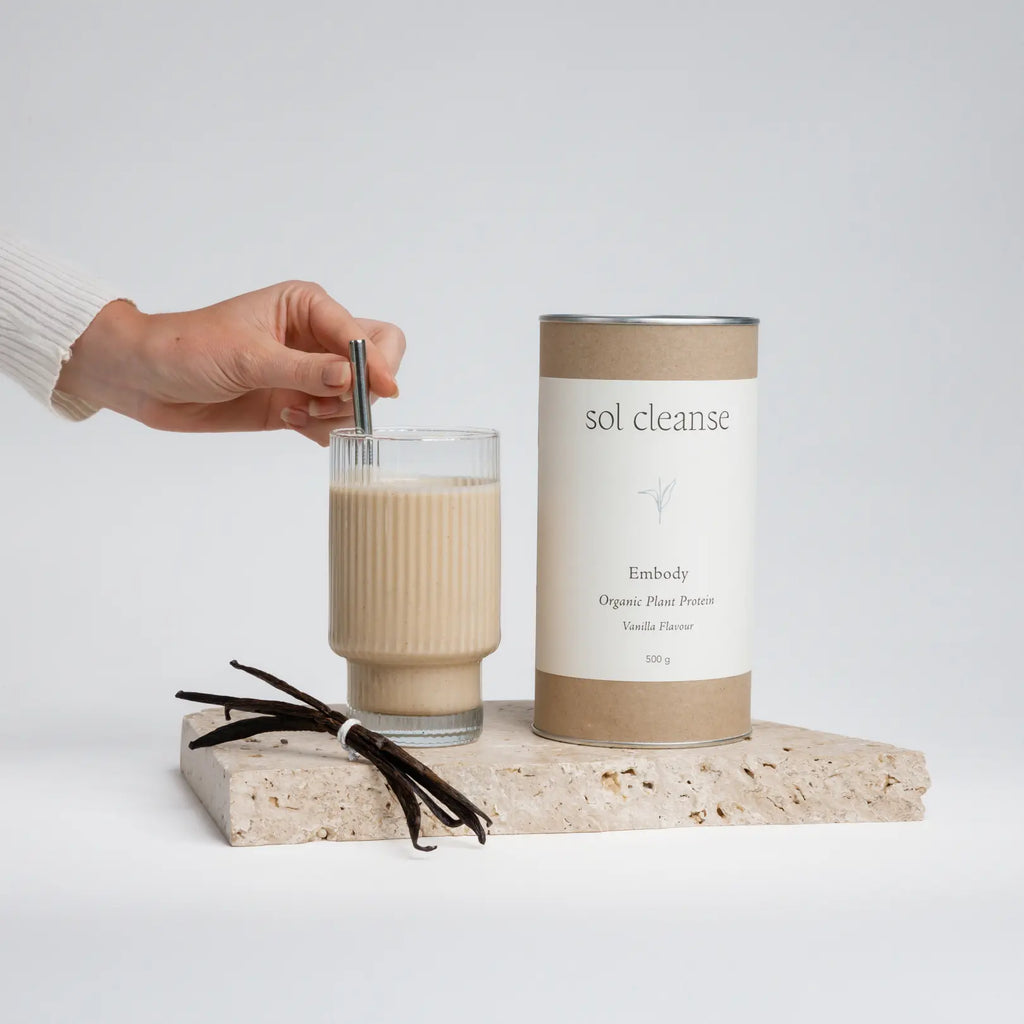
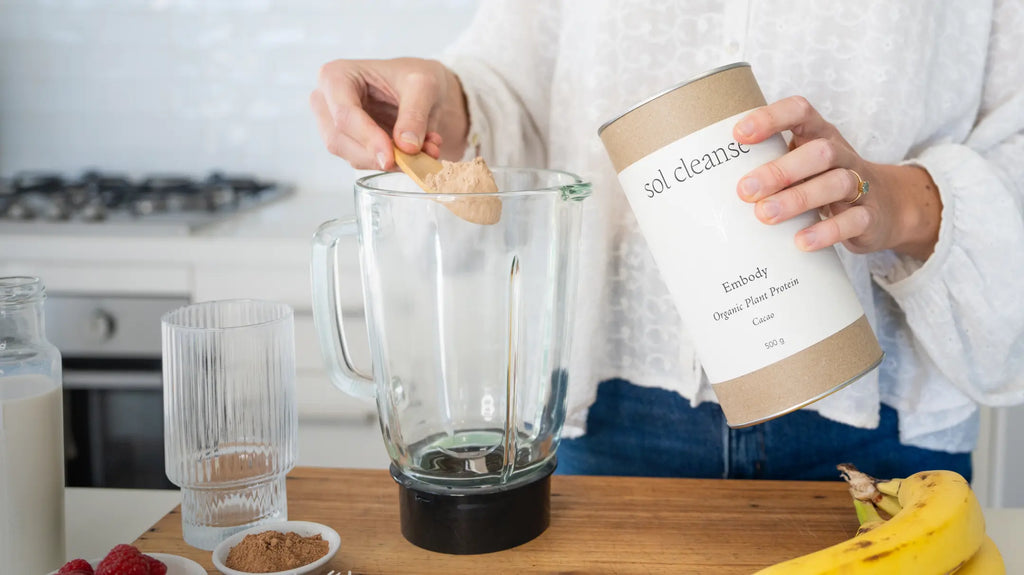
Clean, plant‑based & organic: We use a blend of sprouted/fermented pea protein, sprouted brown rice protein, sacha inchi seed protein and pumpkin seed meal. All certified organic, vegan, and free from dairy, soy and gluten.
No artificial sweeteners or nasty fillers: No artificial sweeteners or nasty fillers: Instead of sucralose, aspartame or “natural flavours” you can’t pronounce, we sweeten with monk fruit and keep flavouring minimal and natural.
Sprouted & fermented sources for better digestibility: The sprouting/fermentation process helps break down anti-nutrients and may improve absorption–so you get real benefit out of your serve rather than just a number on the label.
Intentional ingredients for whole health support: We’ve added sacha inchi (an omega‑3 rich seed), mesquite pod powder and other nutrients that support energy, recovery and wellness–not just “protein grams”.
Your protein cheatsheet
Next time you shop for protein powder, don’t just look at the “grams of protein” line–flip the tub and check the “other ingredients” list. Ask yourself:
- Are there artificial sweeteners I don’t recognise?
- Are there long lists of gums/thickeners/fillers?
- Are the protein sources clearly named and processed in a quality way?
- Is the product transparent about sourcing and additives?
By choosing a powder that says “clean protein powder”, “artificial‑free protein”, “organic protein” with substance behind those claims, you’re setting yourself up for better digestion, better nutrient absorption and fewer surprises.
Embody vs. standard supermarket powders
Because our Embody Protein formula avoids many of the risky extras found in cheaper powders, like artificial sweeteners, gums, emulsifiers and hidden fillers, you’re more likely to experience smoother digestion, improved nutrient absorption and less bloating or gut discomfort. For example, the sprouted and fermented plant-based proteins in Embody are broken down naturally, making them gentler on sensitive stomachs compared to heavily processed dairy or soy powders, which often contain long lists of additives that can stress the digestive system.
Beyond digestive comfort, choosing a minimally processed, additive-free protein powder can also support your overall health. Research shows that heavily processed powders with artificial sweeteners or emulsifiers may contribute to low-grade inflammation and disrupt the gut microbiome, while clean plant-based proteins help nourish your body without interfering with nutrient uptake.
In short, with Embody Protein, you’re getting exactly what it promises—clean protein powder, artificial‑free protein and organic protein without any hidden surprises. It’s protein you can trust, designed to support both your digestion and your overall wellbeing. If you’re interested in creative ways to use your protein powder beyond just shakes, you’ll find many delicious recipes on our Sol Cleanse recipe page.