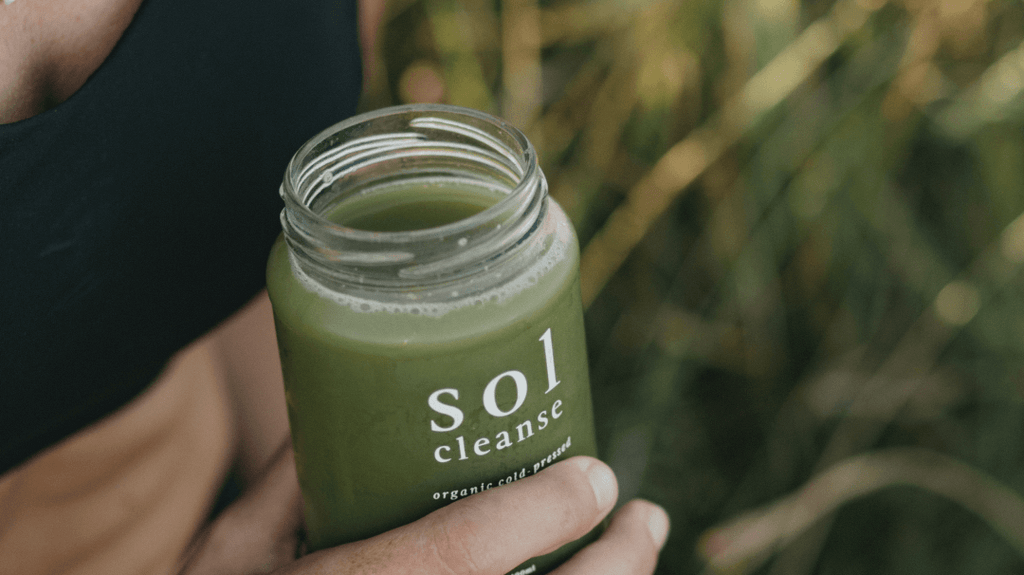
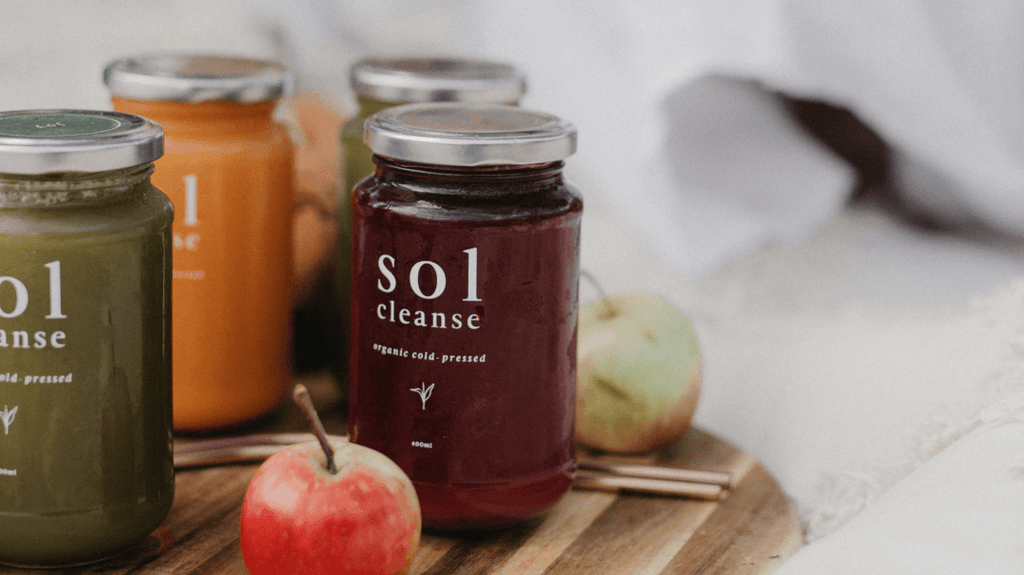
Cleansing can be a powerful tool for getting back to basics, simplifying choices, supporting digestion, and re-establishing the habits that help you feel grounded. From a clinical nutrition science perspective, the question is not how often should you cleanse, but how often does your body benefit from a structured reset and what does that reset actually look like?
At Sol Cleanse, cleansing isn’t about “removing toxins” in a literal sense. Your liver, kidneys and gastrointestinal tract are already highly effective at processing and eliminating metabolic waste. What cleansing can do, when approached thoughtfully, is reduce dietary load, support digestive function and help reset eating patterns that may have drifted away from whole, nutrient dense foods. In other words: it’s a supportive tool for real life, especially when you want to feel like you again.
Cleansing is context-based
There’s no single “perfect” cleansing schedule, because what feels supportive is highly individual. Research consistently shows that your overall dietary quality, consistency, and metabolic context matter most, which is why the best approach is one that works with your lifestyle, not against it.
That said, many people find they feel best when they have a simple “return to centre” option they can use more than once a year. Think of cleansing as part of your wellness toolkit: something you can come back to whenever you need to reset, rebuild rhythm, and re-commit to habits that support you long-term.
How often a cleanse may feel supportive depends on three key factors: your body, your lifestyle and your current health baseline.
1. Your baseline diet & metabolic load
If your everyday diet is already rich in vegetables, fruit, fibre and minimally processed foods, you’ve already built a strong foundation. In this case, cleansing can be less about “correcting” anything and more about maintaining momentum, adding supportive structure, and creating a simple reset point when routine starts to drift.
Research shows that periods of higher intake of ultra-processed foods, alcohol, excess saturated fat and refined sugars can increase inflammatory markers and impair insulin sensitivity, even over relatively short time frames. In these situations, a short, whole food focused reset may help restore dietary balance and reduce metabolic strain. This isn’t about “detoxing”, but about easing the inputs that can create excess load in the first place.
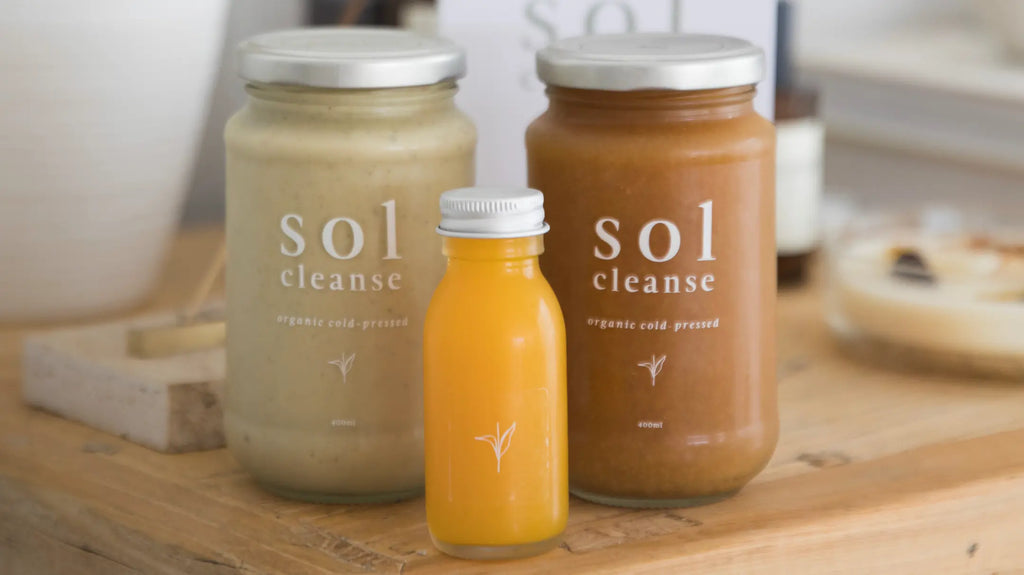
For many, this is where a gentle 3 day cleanse or a simplified juice cleanse at home can feel like a practical circuit-breaker: short enough to be doable, structured enough to reduce decision fatigue, and supportive enough to help you ease back into whole-food habits.
2. Your goals & life season
Cleansing frequency should reflect why you’re doing it.
For someone seeking a gentle dietary reset after travel, holidays or a stressful period, a brief cleanse may help re-establish regular eating patterns and digestive comfort. Research shows that after periods of less balanced eating, returning to regular meals built around whole, nutrient-dense foods can quickly help stabilise blood sugar levels after meals and improve how energised people feel.
For others, the goal may be behavioural – reconnecting with hunger cues, reducing reliance on stimulants, or increasing vegetable intake. In these cases, a cleanse can be used a little more proactively: not as a “quick fix”, but as a structured reset that helps you recommit to the habits you want to keep.
3. Sensitivity levels
People new to cleansing, or those with sensitive digestion, often do best with a gentler approach, giving the body time to adjust comfortably. Starting with a lower-intensity cleanse can support digestive ease while still offering the benefits of structure and a reset.
If that sounds like you, our Level 1 Cleanse is a beautiful place to begin. It’s designed to feel nourishing and achievable, with a gentle rhythm that supports digestion and helps you re-establish whole-food habits, without feeling extreme.
From a clinical standpoint, the most effective cleanses are the ones that feel supportive, not restrictive. A great cleanse should feel like something you can return to when you need it, a simple reset that helps you rebuild habits, rather than a rigid rule you “have” to follow.

What a sustainable cleansing rhythm looks like
Instead of strict rules, cleansing works best when it fits naturally into your lifestyle, like a reset button you can press when you need a little extra structure. That might look like:
- Doing a short, gentle cleanse for a few days after holidays, travel, or a busier-than-usual stretch
- Using seasonal changes as a chance to reset your eating habits and re-establish your rhythm a few times a year
- Coming back to a structured reset whenever you notice “drift” signs: louder cravings, less consistent meals, lower energy, digestive discomfort, or feeling like you’ve lost your usual routine
The magic is in the combination: cleansing gives you a clear, supportive starting point, and your everyday habits help you carry that momentum forward. Long-term research shows that consistent, nutrient-dense eating patterns are key for blood sugar balance, inflammation, and gut health, and a well-timed cleanse can make those patterns feel easier to return to.
Put simply: cleansing is most powerful when it works with your healthy habits, helping you re-establish them when life gets full. If you’ve been wondering what you need to know about cleansing, start here: the goal isn’t perfection, it’s a gentle pattern interruption, followed by a habit rebuild you actually want to keep.
When cleansing isn’t the right move
Cleansing is not appropriate for everyone and current clinical guidelines caution against restrictive dietary practices for certain populations. Individuals who are pregnant or breastfeeding, those with a history of disordered eating, chronic kidney disease, or poorly controlled diabetes should avoid structured cleanses unless supervised by a qualified health professional.
Your between-cleanses toolkit
Cleansing is one powerful way to reset, but it’s not the only way to feel that “back in rhythm” feeling. A whole food support approach can be a beautiful complement to cleansing, helping you maintain momentum with nourishing, consistent meals, without needing to overhaul your routine.
Research consistently supports dietary patterns rich in fibre, phytonutrients and minimally processed foods for supporting digestive function, immune regulation and metabolic health. That’s why whole foods, balanced meal frameworks and food-first supplementation can be such effective foundations, especially when life is busy and decision fatigue is real.
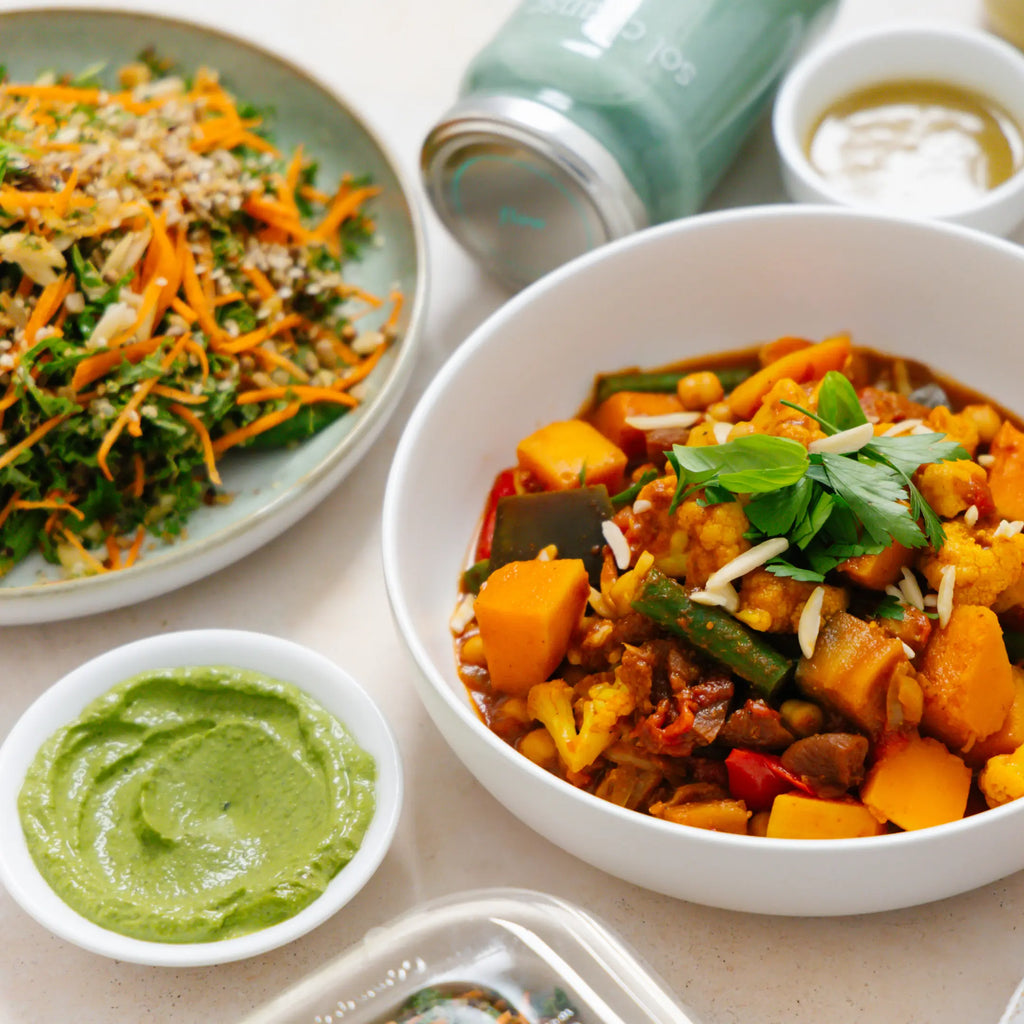
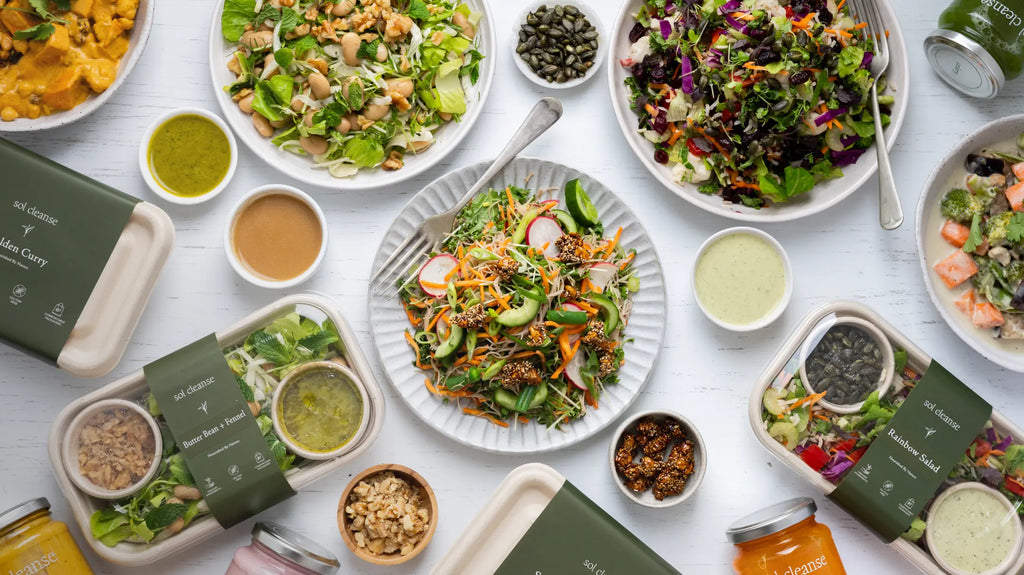
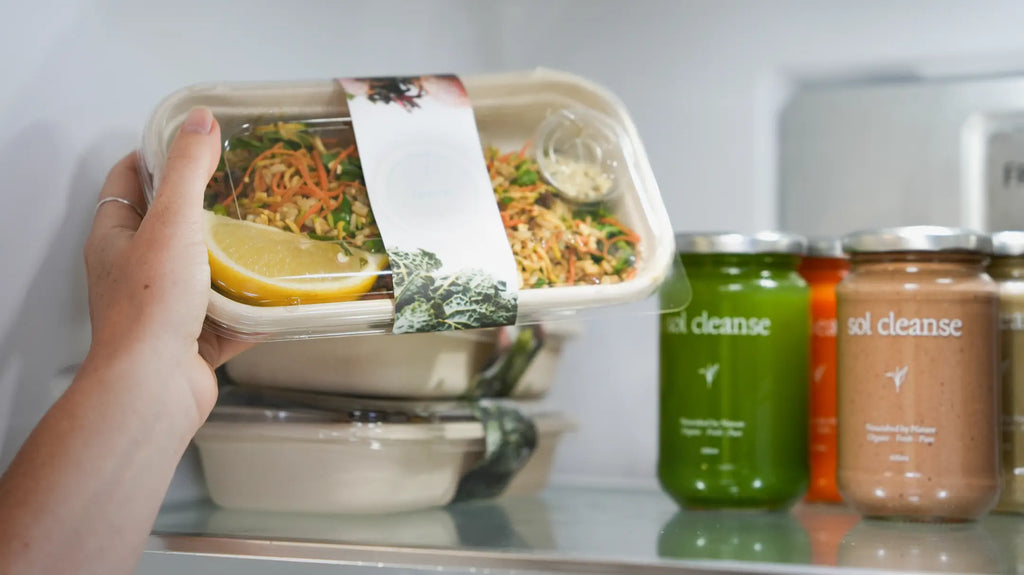
This is where our Whole Food Meal Packs shine. Think of them as the bridge between “cleanse mode” and everyday life: simple, satisfying meals that make it easy to keep choosing well after your reset. With Sol Cleanse organic meal delivery, you get the convenience of ready-made meals, without the compromise: certified organic ingredients, thoughtfully balanced combinations, and an eco-friendly alternative to typical pre-made options, with sustainability built into the experience.
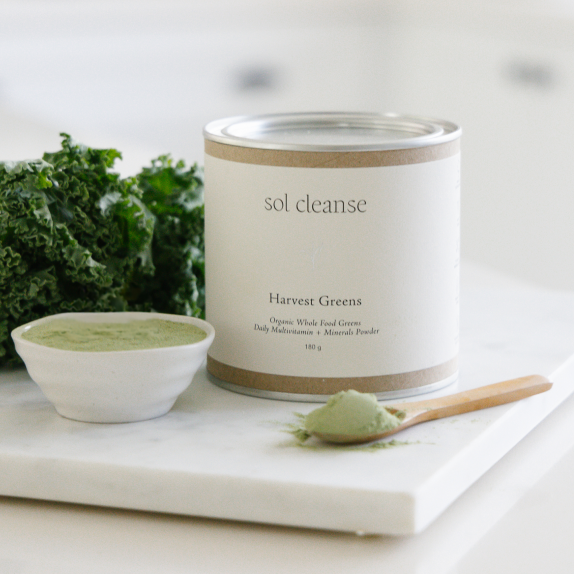
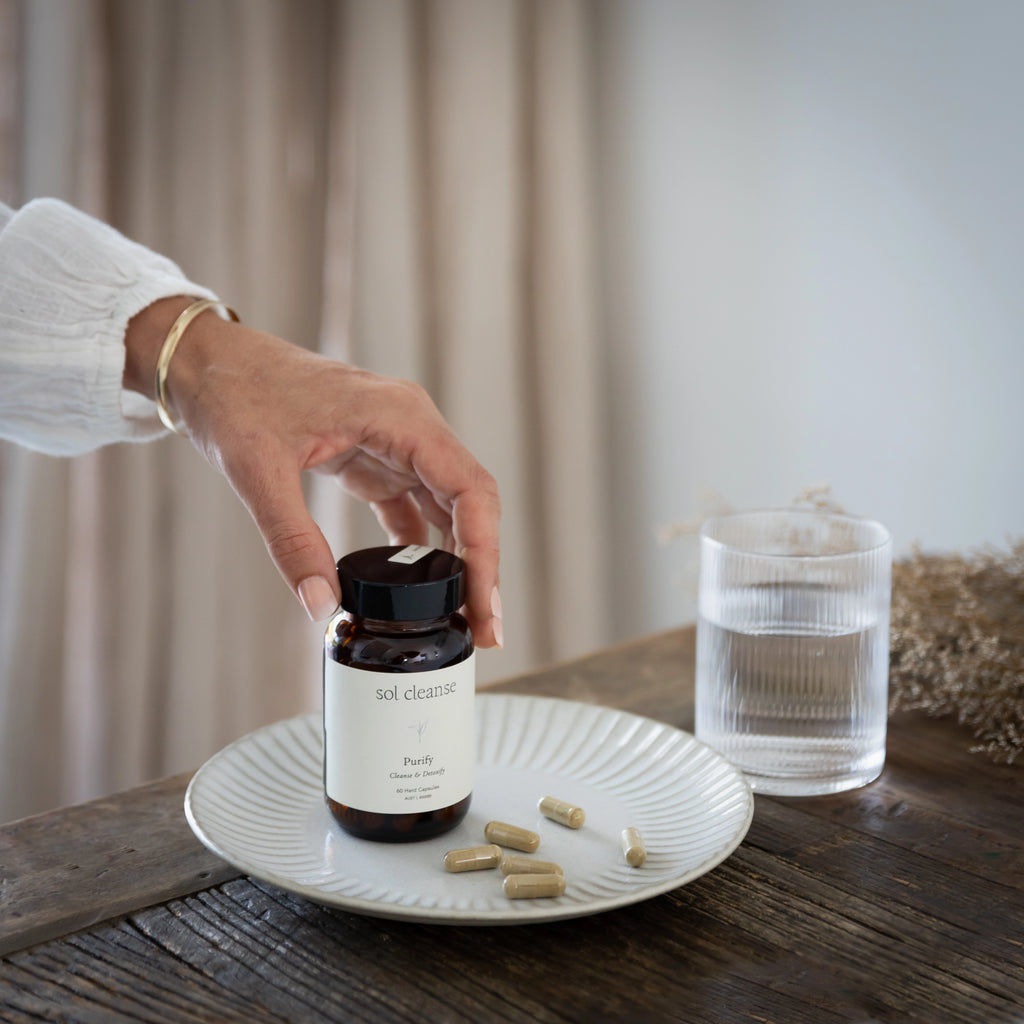
And for targeted support, our whole food supplements range is designed to meet you where you are, supporting the areas you want to focus on most (think: digestion, gentle daily cleansing support, fibre, and foundational nutrients), in a way that complements your food, not replaces it. It’s an easy add-on to your routine when you want a little extra, without making things complicated.
From a Sol Cleanse perspective, the most sustainable approach is simple: nourish your body well every day, and use cleansing as a supportive reset when you feel you need a little break and a fresh start. And when you’re ready to keep that post-cleanse momentum going, let whole food meals and targeted supplementation do the heavy lifting, so healthy habits feel easy to keep.